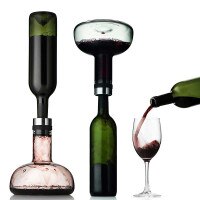
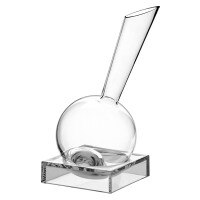
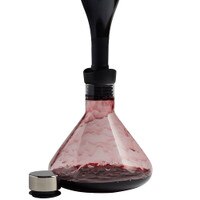
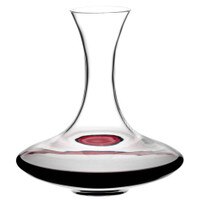
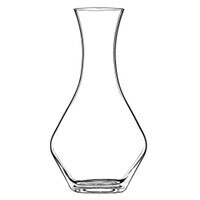
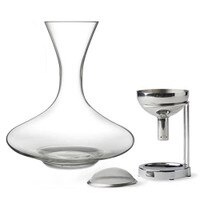
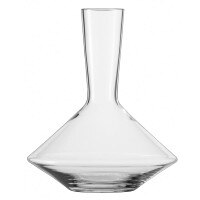
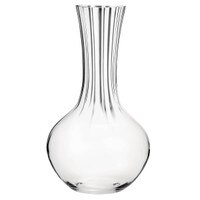
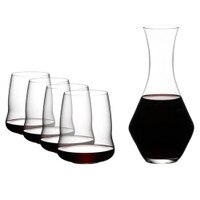
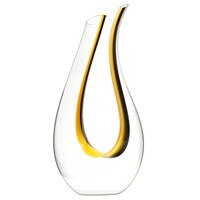
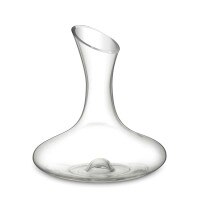
Decanting can serve two purposes: exposing wine to oxygen and separating wine from sediment. Young, tannic red wines may become more expressive after contact with air, while mature wines are often decanted carefully to leave sediment behind in the bottle.
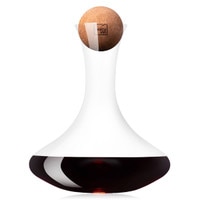
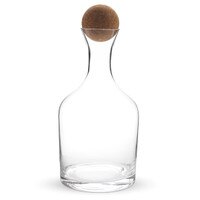
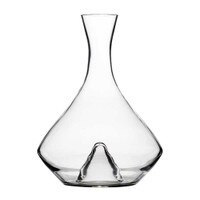
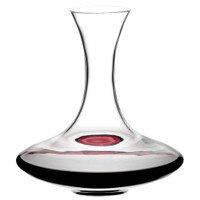
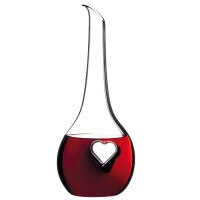
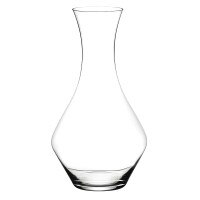
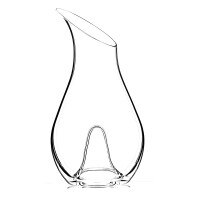
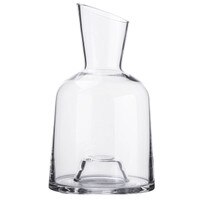
Wide-bottom decanters maximize the wine's contact with air and are well suited to young, structured reds. Narrower decanters provide gentler aeration and can be easier to use with older or more delicate wines.
There is no single rule. A young, tightly structured red may benefit from significant time in a decanter, while an older wine can fade quickly once exposed to air. Taste the wine as it develops rather than relying only on a fixed decanting time.
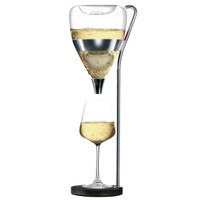
Yes. Most white wines do not require decanting, but some fuller-bodied, young or reductive whites can benefit from additional air. A decanter can also be used simply for presentation when serving white wine at the table.