FREE SHIPPING OVER $99*
A wine cellar door is essential not only for function but also for setting the tone of your space. In refrigerated wine cellars, the door must be exterior-grade to maintain an airtight seal, preventing condensation and ensuring proper thermal insulation. Beyond performance, the door is also the first visual impression of your cellar. Materials like solid wood, double-paned glass, and insulated metal each offer distinct aesthetics and should complement both the interior cellar design and the surrounding room.
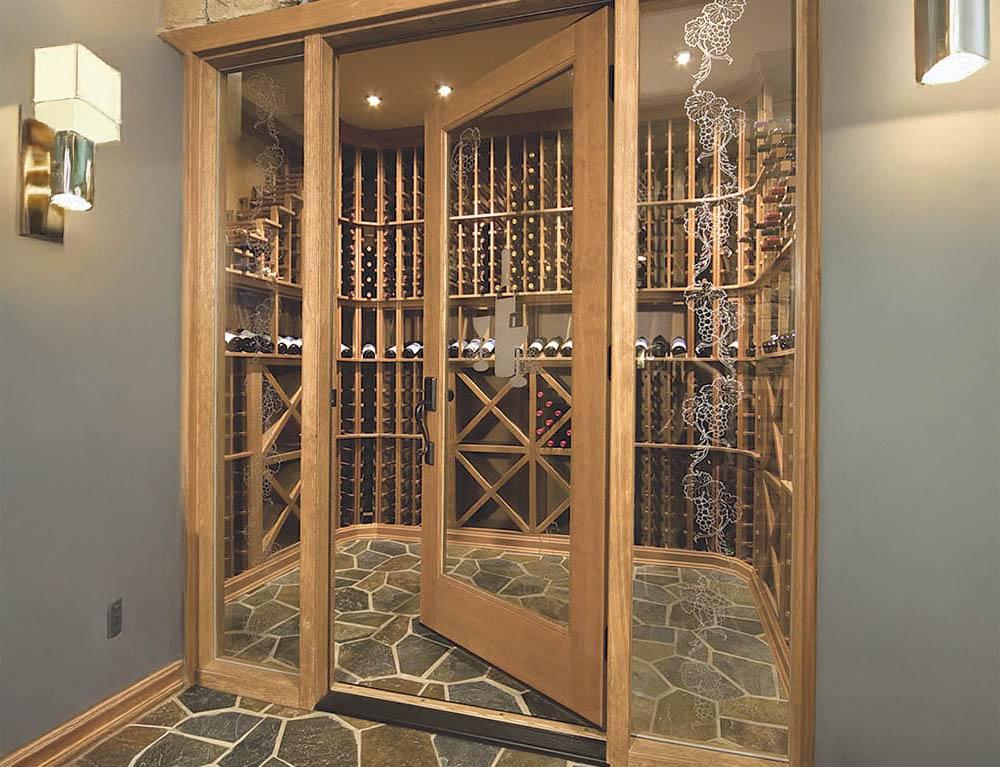
Door Insulation and Sealing
A well-insulated, tightly sealed door helps maintain stable temperature and humidity levels in a wine cellar. Even for interior installations, an exterior-grade insulated door is recommended, as it's built to limit heat transfer and resist moisture. Features like quality weather stripping, a tight jamb, and an automatic door bottom or threshold seal help prevent air leaks, reduce condensation, and support efficient cooling.
When selecting a wine cellar door, consider both function and design. The right door will help maintain stable cellar conditions while complementing the surrounding space. Investing in a well-built door is an important step toward protecting your collection and enhancing the overall look of your cellar.
Insulation
An insulated door reduces heat transfer from the surrounding environment, helping to keep cellar temperature stable and reducing the cooling unit’s runtime.
Glass Doors
If using glass, choose double-paned insulated panels with optional tinting to improve thermal performance and block UV light.
Weather Stripping
Use exterior-grade weather stripping around the door frame to seal gaps and prevent moisture-laden air from infiltrating the cellar when the door is closed.
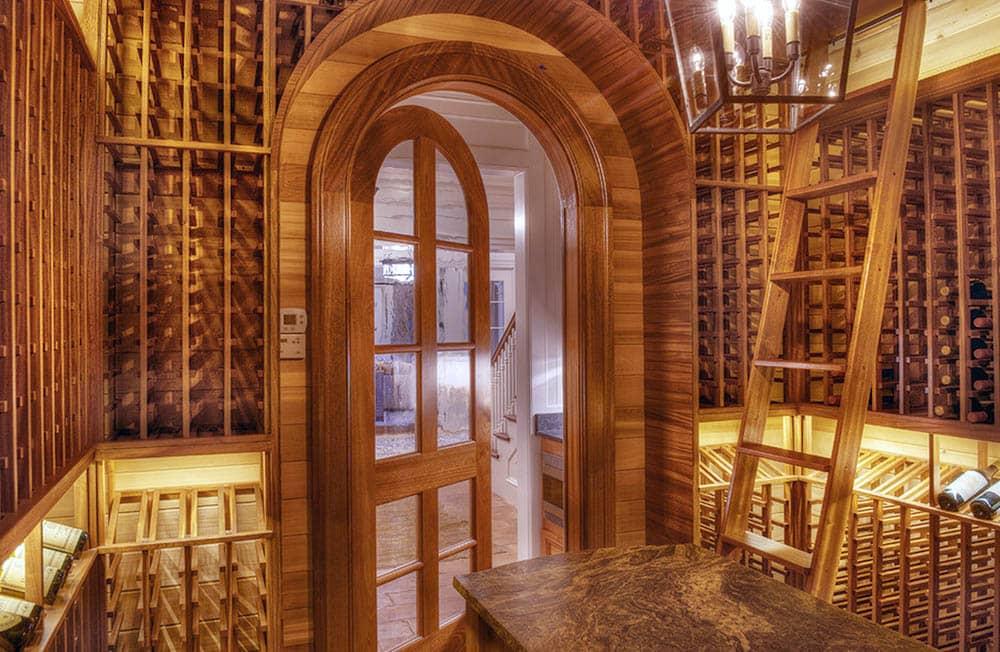
Material Options
Wine cellar doors are available in a range of materials, each with different advantages in appearance, thermal performance and durability. The right choice depends on the design of your space and whether the cellar is climate-controlled.
Whether you choose wood, glass, metal, or a combination of materials, factors like insulation, sealing and customization will influence both performance and cost.
Wood
Solid hardwoods like mahogany, oak, and cherry are classic, naturally beautiful and can be stained to match surrounding décor. To prevent warping in humid conditions, wood doors should be properly dried, sealed and built by an experienced manufacturer.
Glass
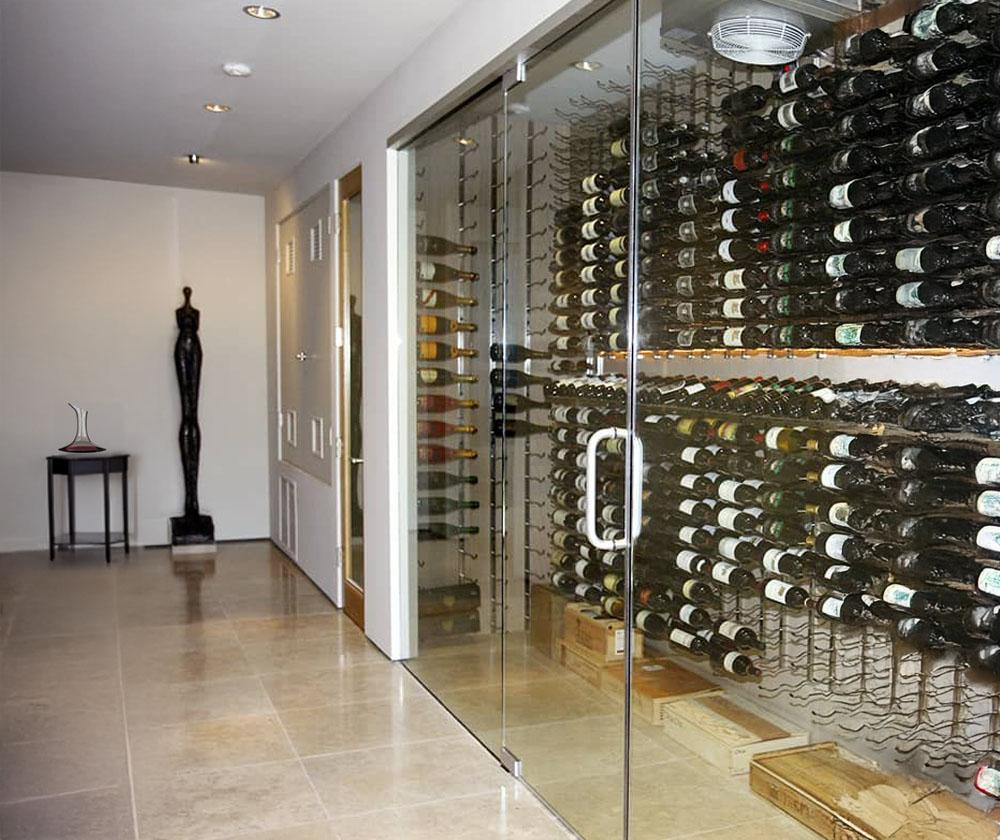
Glass doors and windows let you view your collection without opening the door. For climate-controlled cellars, use double-paned insulated glass to reduce heat transfer and remember that glass has a much lower R-value than insulated materials.
Metal
Wrought iron can be shaped into decorative designs, while steel offers a clean, modern look. For climate-controlled cellars, metal doors should include thermal breaks and proper insulation to reduce heat transfer and the risk of condensation.
Budget
Wood Doors
The cost of a wood door depends on its species, design, hardware and size. Scarcer hardwoods like mahogany and black walnut are more expensive than more common options like pine or alder. Basic square designs typically start around $700–$900. Arched doors, etched glass, thicker construction, wider jambs, specialty hardware and non-standard sizes will add to the total cost.
Glass Doors
The cost of adding glass to a wood door may be minimal if standard sizes are used. Costs increase with custom shapes, etched designs, or oversized panels, and can quickly get to $2500-$3,000 or more. For climate-controlled cellars, be sure to use double-paned, insulated, and tinted glass to improve energy efficiency and protect wine from UV exposure.
Metal Doors
Standard steel doors typically start around $1,200–$1,500. Custom designs, especially those with decorative ironwork, thermal breaks, or added insulation, can raise the cost to $5,000 or more.