FREE SHIPPING OVER $99*
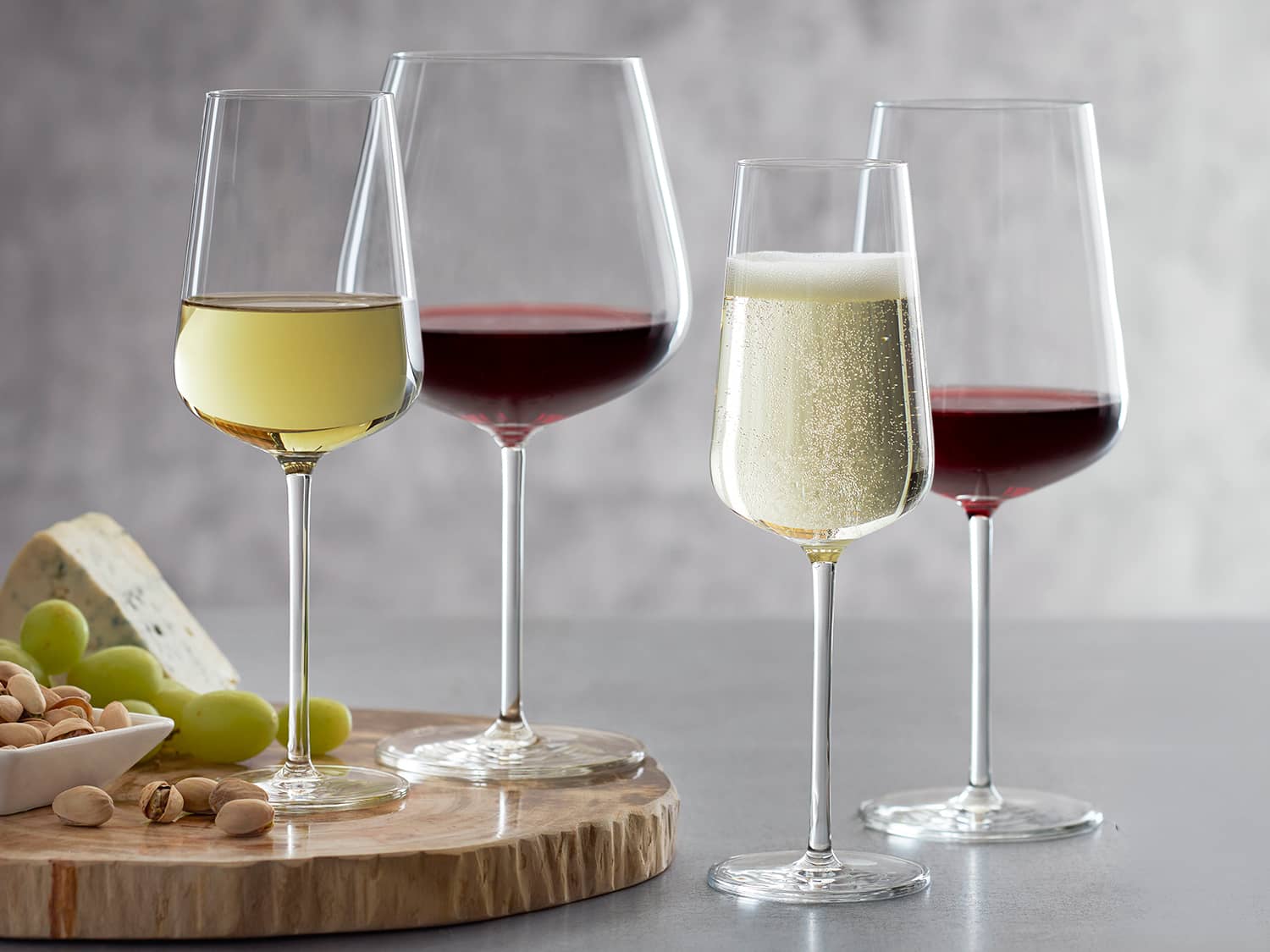
Does the shape of your wine glass actually matter? Bold reds need to be decanted and are best in a large bowl for oxygenation to soften their impact, while white and sparkling wines should use a smaller, tulip shape that preserves aromas. Hold the glass by the stem to avoid transferring heat, then pour 5 ounces of wine (ending at the widest area of the bowl).
Serving temperatures should be 60–65°F for red, 45–55°F for white and 40–48°F for sparkling. Serve wine in clean, odor-free glasses with a thin rim (use a microfiber polishing cloth to remove streaks). When ready to enjoy the wine, give it a quick swirl to wake up aromas. Mastering these techniques and tools will elevate your wine tasting experience.
Choose the Best Wine Glass
Glassware shapes are designed to direct aromas to your nose and control how wine interacts with your palate. For bold red wines like Cabernet Sauvignon, use a large bowl to allow oxygen to soften the tannins. If you are pouring a crisp white wine, a smaller tulip-shaped glass preserves the delicate floral notes and keeps the wine chilled. For sparkling wines, a narrow flute or a specialized tulip glass maintains the bubbles and directs the effervescence upward.
How to Hold a Wine Glass
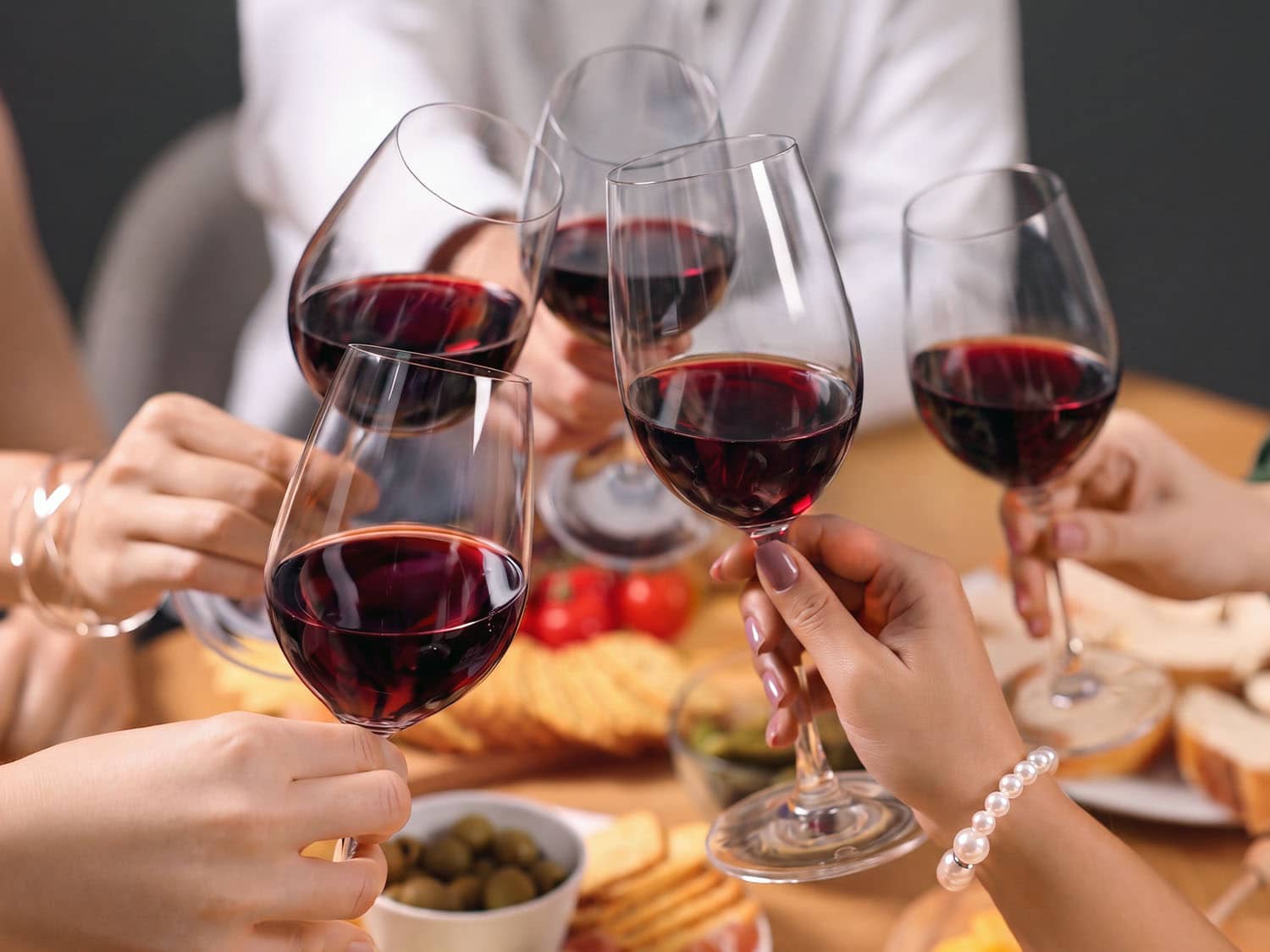
It is important to hold your glass by the stem, rather than the bowl, which can transfer body heat from your hands to the wine. This also prevents fingerprints from clouding the crystal, allowing you to appreciate the color and clarity of the wine. If you are using stemless glassware, try to hold it near the base and set it down between sips to minimize heat transfer.
Decanting Red Wine
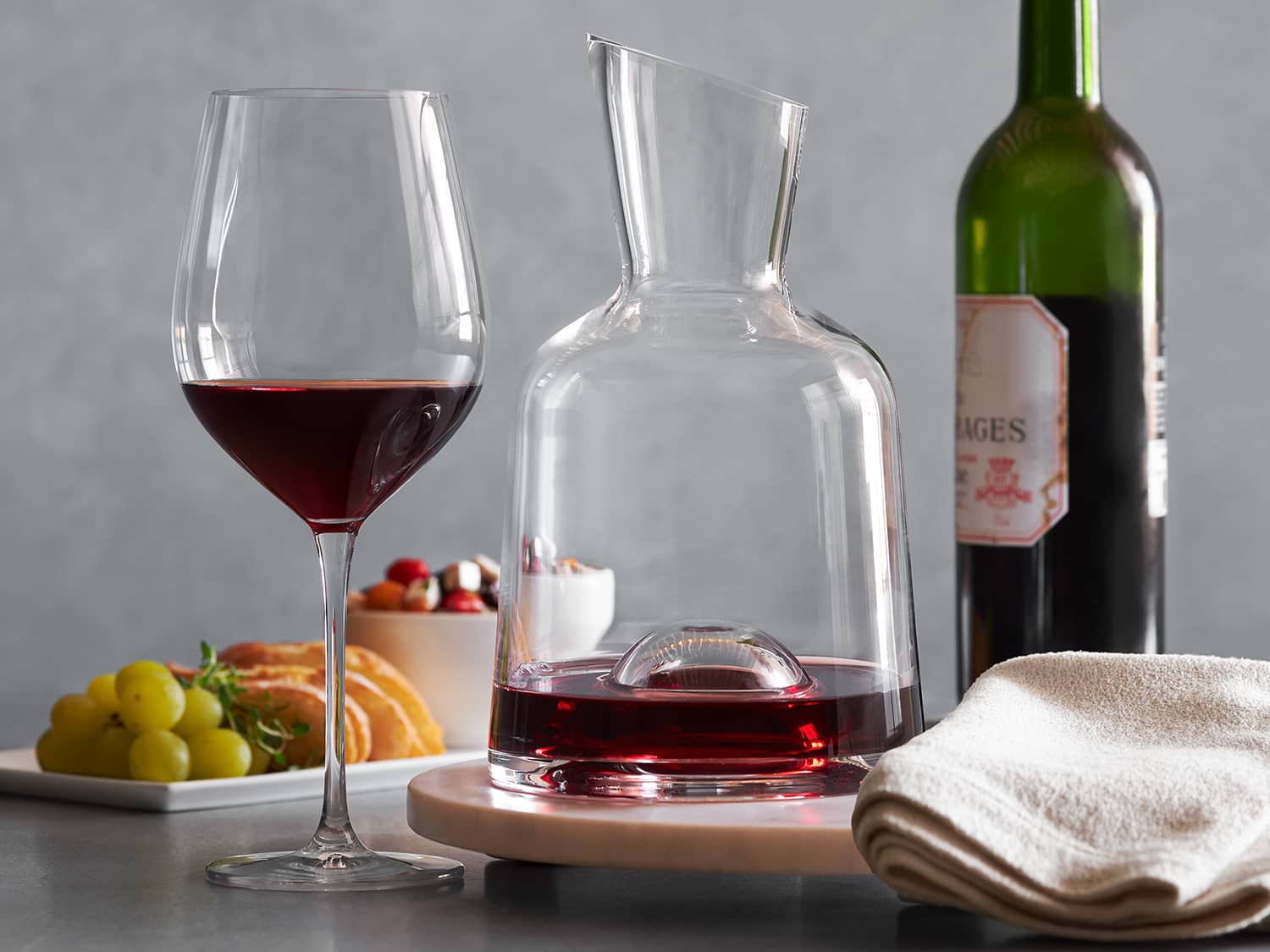
Pouring wine out of its original bottle and through a filter will soften harsh tannins and separate out sediment. Use a wine decanter for a few hours before pouring, to allow time for the bouquet to open up. Don’t leave it out too long (such as overnight); this will spoil the wine with too much oxygen. Decanters are a temporary vessel to use immediately before serving, not for long-term storage.
Pour and Swirl Your Wine
Resist the urge to fill your glass to the brim and aim for a standard five-ounce pour, which usually ends at the widest part of the bowl. This leaves enough "headspace" for complex aromas to gather. Once you’ve poured, give the wine a gentle swirl to let it breathe and wake up the flavors.

Maintain Your Wine Glasses
Dish soap residue will affect the flavor profile of fine wine. Rinse your glassware with warm water and use specialized cleaners, rather than intense soap. For a professional finish, use a microfiber polishing cloth to remove water spots and streaks. When storing your glasses, keep them upright in a well-ventilated area. Placing them upside down can trap stale air or the scent of wooden shelving inside the bowl, which will interfere with your next tasting.
Elevating Your Next Wine Tasting
TEMPERATURE CHECK
Don't serve wine too warm. For red wine, aim for 60–65°F, white wine 45–55°F and sparkling at a crisp 40–48°F.
TEST THE ODOR
Give your empty glass a quick sniff. If it smells like a kitchen cabinet, quickly rinse with a small splash of the wine you are about to drink.
GLASS RIM
Serve fine wine in thin-rimmed glasses to experience the full effect.
Ready to Pour Some Wine?
Having the right tools makes all the difference in your tasting journey. Find our curated selection of Glassware Cleaning Supplies to keep your crystal sparkling.