FREE SHIPPING OVER $99*
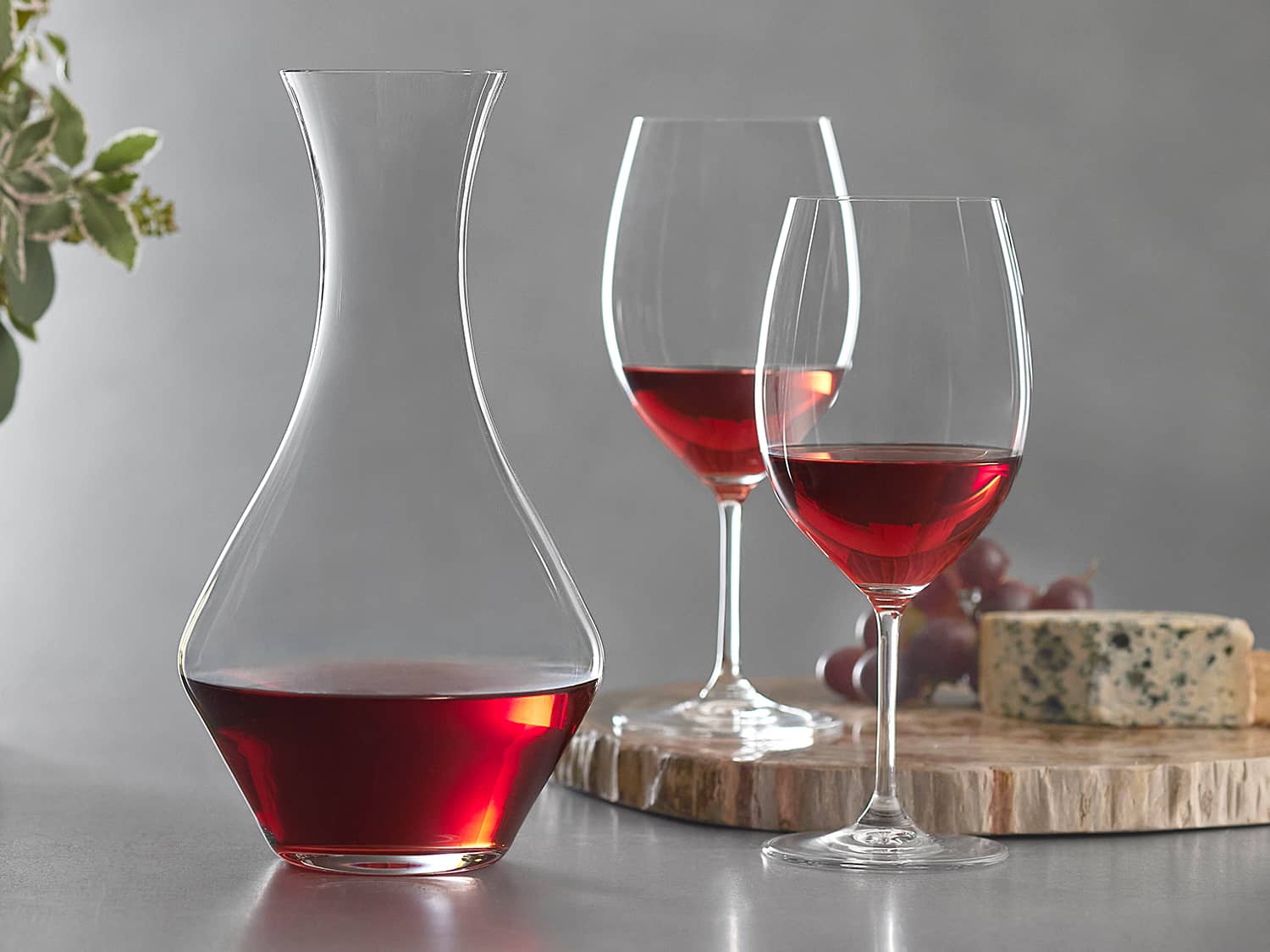
This approachable wine is well worth aging in your cellar. "Old World" Syrah is a cool climate, acidic expression of the grape, whereas "New World" Shiraz is more fruit-forward, from a warmer climate.
The flavor and aroma profile of this tannic wine includes blackberry, plum, currant, anise, black pepper and sweet tobacco with vanilla, chocolate, leather and espresso in the finish. Premium Syrah can be aged for 10–25 years to mellow the flavors into forest floor, truffle and dried herbs.
When pairing with food, pour alongside charred ribeye, lamb chops, smoked brisket, sharp cheddar, wood-fired pizza, chili, grilled mushrooms and roasted vegetables. Serve your decanted Shiraz at 60–65°F in a large Syrah or Cabernet-sized wine glass.

Shiraz vs. Syrah
What are the differences between Shiraz and Syrah? Genetically, they are the same grape. However, the naming convention usually signals the style of winemaking and the climate where the grapes were grown. Syrah often refers to "Old World" styles from cooler climates like the Northern Rhône in France. These wines are often leaner, savory and higher in acidity. Shiraz generally represents "New World" expressions from warmer regions like the Barossa Valley in Australia. These are famously lush, fruit-forward and higher in alcohol.

Flavor and Aroma Profile
A classic glass of Shiraz is a sensory powerhouse. On the nose, you will often find intense aromas of blackberry, plum and sweet tobacco. Depending on the oak treatment, you might also detect notes of vanilla, cedar or even smoked meat. On the palate, Shiraz is full-bodied with a "chewy" texture.
Dark Fruits: Blackberry, blueberry and black currant.
Spice: Distinctive cracks of black pepper and anise.
Indulgent Finishes: Subtle hints of dark chocolate, leather and espresso.

Cellaring and Aging Your Shiraz
Shiraz is a favorite for collectors because it rewards patience. High levels of tannins and natural acidity provide the structure needed for long-term bottle aging. While many entry-level bottles should be opened in the first few years, premium Shiraz can easily cellar for 10 to 25 years. As the wine ages, the vibrant purple color shifts to a brick red. The aggressive fruit flavors mellow, making way for complex secondary characteristics like forest floor, dried herbs and truffle.
Food Pairings for Bold Red Wines
Because Shiraz has such a robust profile, it needs food that can stand up to its intensity. Pull out the grill, because charred ribeye steaks, smoked brisket or lamb chops seasoned with rosemary are delicious choices. When building a charcuterie board, look for sharp, aged cheddar and pungent Stilton, avoiding delicate cheeses. For comfort food pairings, Shiraz works well with wood-fired pizza, spicy chili, roasted root vegetables and grilled mushrooms.
Tips for the Shiraz Connoisseur
Watch the Temperature: Serve your Shiraz slightly cool (around 60–65°F). If it is too warm, the high alcohol content can overwhelm the delicate aromas.
Let It Breathe: A young, tannic Shiraz benefits significantly from an hour in a decanter to soften the mouthfeel. We recommend decanting the wine before serving.
Choose the Right Glass: Use a large Syrah (or Cabernet) wine glass. The increased surface area allows the wine to oxygenate and release its complex bouquet.
Ready to elevate your Shiraz experience? Shop our curated selection of Professional Decanters to unlock the full potential of your collection.