FREE SHIPPING OVER $99*
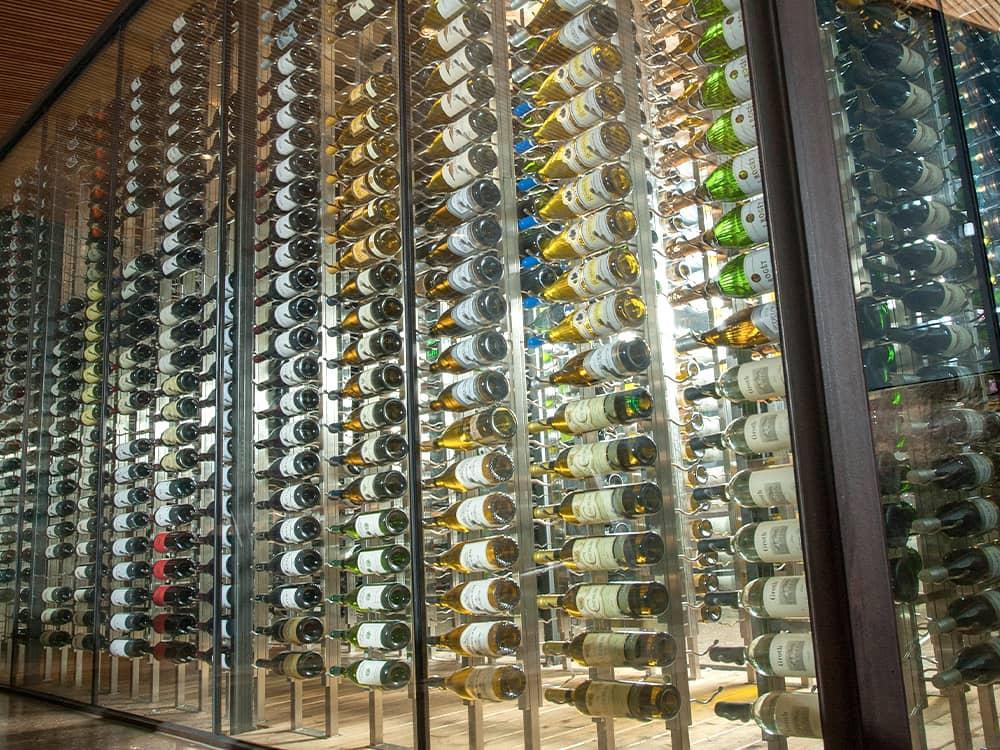
Building a cellar requires technical precision and aesthetic vision. Plan for a capacity double the size of your current collection and include racks for unusual bottles like Pinot Noir or Champagne.
Prioritize a high-quality vapor barrier and R-12 insulation to maintain a steady 55-60°F temperature with 60-70% humidity. Choose a wine cellar cooling system, not a standard AC unit, to correctly manage the environment.
These units can be installed as affordable through-the-wall, quiet split systems or hidden ducted systems venting air from a separate location. Choose reliable materials like stainless steel, redwood or mahogany with modern LED lighting. Avoid carpet flooring, instead considering hardwood, stone or tile.
Establish Your Storage Goals and Capacity
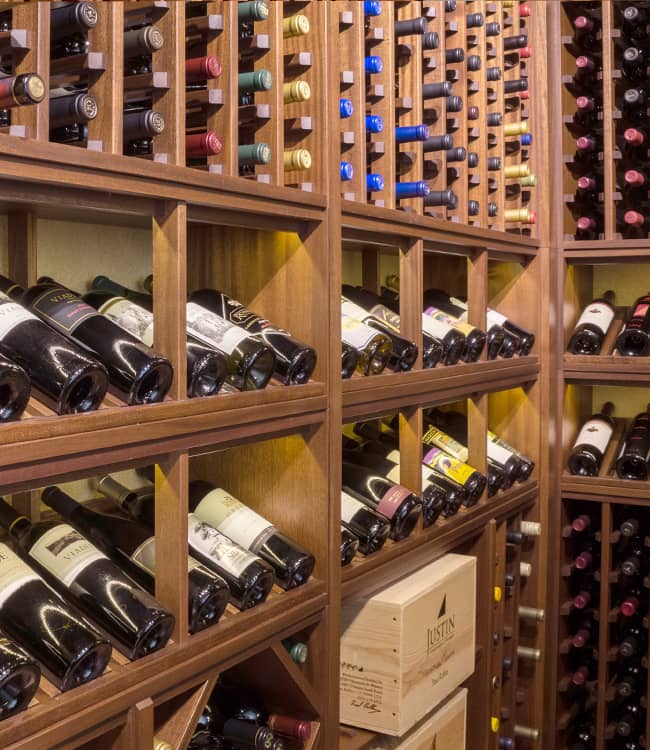
Consider the primary purpose of your wine cellar. Are you looking for a high-density storage room or a showpiece enclosure to impress guests? Expert builders recommend calculating your current collection’s size and doubling that number to find your goal capacity. It is much easier to fill empty racks than it is to expand a climate-controlled space later. Remember that bottle shapes vary; while standard racks fit Bordeaux bottles, you will need wider openings for Burgundy, Champagne and oversized magnums.
Create a Controlled Environment with Proper Insulation
Fluctuations in temperature and humidity will cause corks to expand and contract, leading to oxidation or mold growth. To keep your cellar at the ideal 55-60°F and 60-70% humidity, start with a high-quality vapor barrier and professional-grade insulation (minimum R-12, though higher is better). Use exterior-grade doors with a tight seal to prevent cool air from escaping and warm, moist air from entering. Without these foundational elements, even the most expensive cooling unit will struggle to maintain the right conditions.
Select the Right Wine Cooling System
A standard air conditioner removes humidity and cannot sustain cellar-worth temperature stability. Dedicated systems are designed to maintain both temperature and humidity simultaneously, so that your wine can age in peace. You have three main installation options for climate control:
THROUGH-THE-WALL
These are cost-effective and easy to install, but require a well-ventilated exhaust room.
SPLIT SYSTEMS
Place the noisy condenser outside or in another room, to keep your cellar whisper-quiet.
DUCTED SYSTEMS
For the cleanest look, ducted systems hide most of the equipment and deliver air through vents.
Design for Aesthetics and Functionality
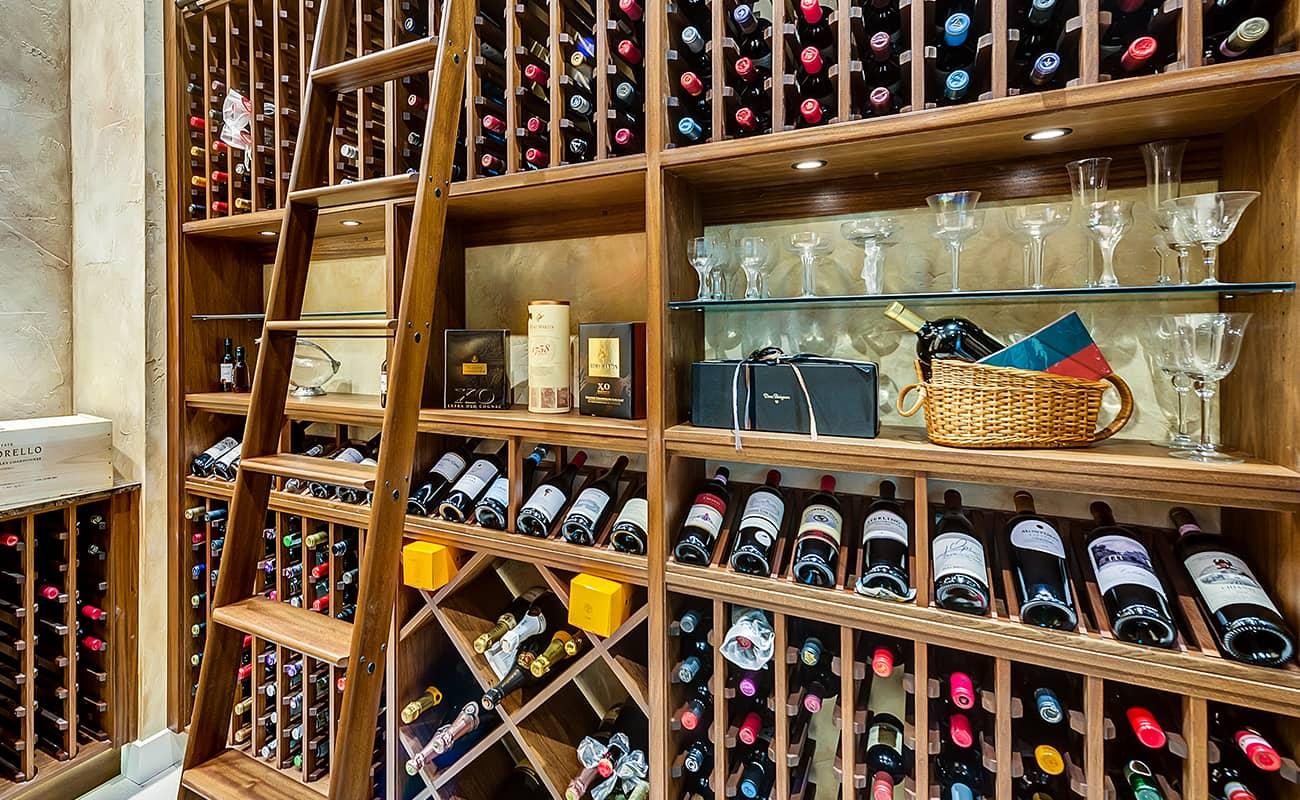
The materials you choose define the character of your cellar. Humidity-resistant wine racks like redwood or mahogany are a traditional option for wine cellars. For a more modern look, label-forward metal racking with glass walls and LED lighting creates a memorable effect. Don't overlook the flooring. Avoid carpet, as it traps moisture and can harbor mold. Instead, consider reclaimed wine barrel staves, stone or tile. These materials are durable, easy to clean and add an authentic touch to your design.
Expert Tips for a Successful Build
PLAN FOR GROWTH
Leave room for "case storage" and bulk bins so you can stock up on your favorites.
VAPOR BARRIER
Always install your vapor barrier on the "warm" side of the insulation to prevent condensation from forming inside your walls.
GO BIG ON COOLING
It is always better to slightly oversize your cooling unit. A smaller unit running constantly will need to be replaced sooner.